STATWERKS

Free, no login

Every model dashboard is free to read — known issues, pricing context, and a buying checklist, no account required.

Browse dashboards →
997.2

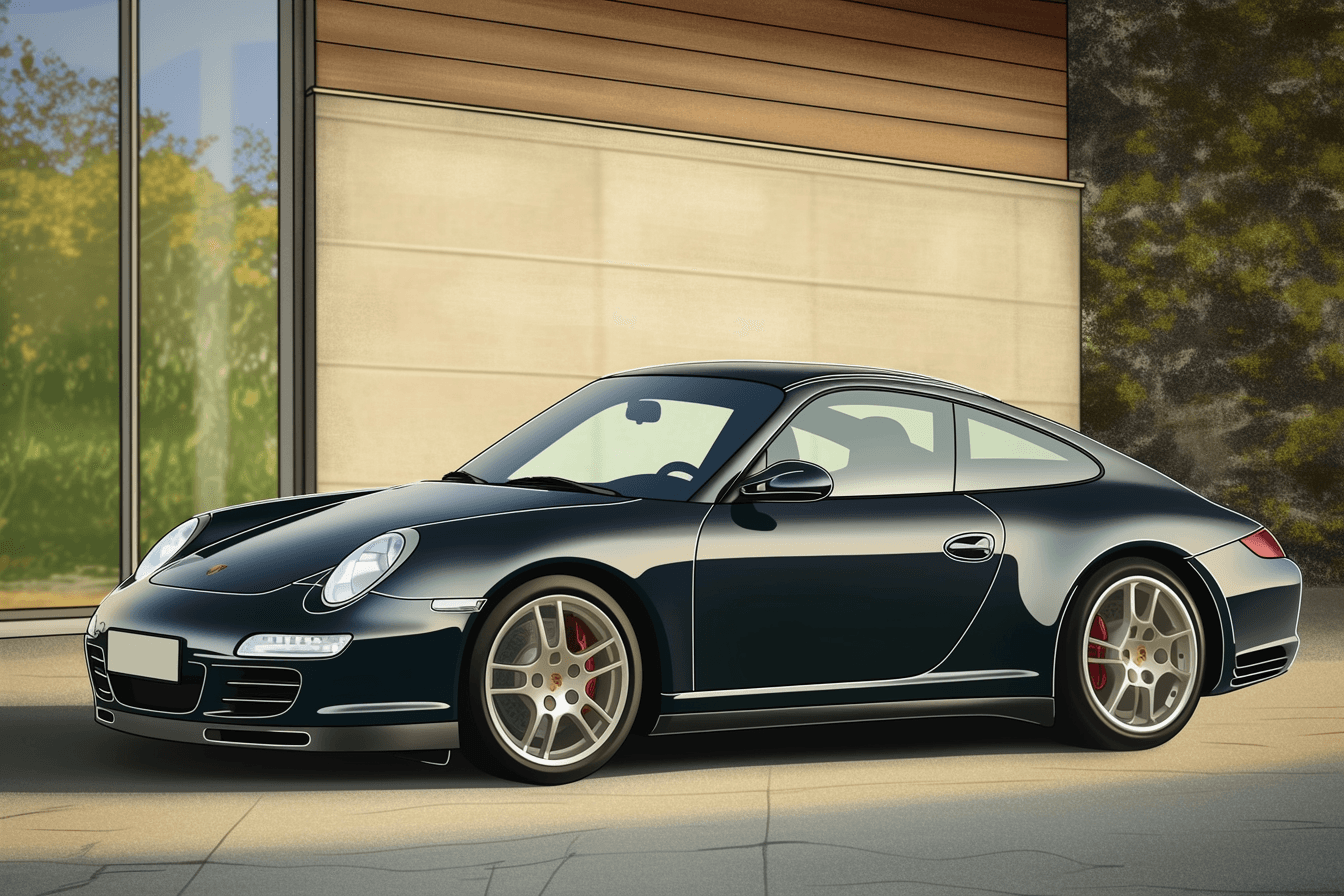
997.2 Carrera

2009–2012 · 2dr coupe / cabriolet

The 997.2 is a substantial mid-cycle update to the 997, not just a facelift: it replaced the 997.1's M97 engine family with a new direct-injection 9A1 design, introduced Porsche's 7-speed PDK dual-clutch transmission alongside the manual, and — critically for buyers — eliminated the intermediate shaft entirely, which removes IMS bearing failure, the defining 997.1 risk, outright. Bore scoring is a more nuanced story: the 9A1 can still develop it, just through a different mechanism than the M97 (cylinder bore shrinkage or breakdown of the aluminum-silicon cylinder coating, rather than IMS-related causes), and at a meaningfully lower rate — reduced, not solved. Specialist and enthusiast consensus still treats it as the most significantly improved facelift in 911 history, not a cosmetic refresh: even the LED tail lights and updated PCM sit on top of a genuinely different engine underneath. Every 997.2 Carrera shares the same coolant system, fuel-delivery hardware, and RMS wear pattern regardless of trim — engine-displacement-specific detail lives on each trim's own page.

Image pending997.2 Carrera — image not yet added
00

Overview

Production
2009–2012
Chassis code
997.2
Layout
Rear-engine, RWD
01

Choose a trim

02

Known across every trim

These apply platform-wide, regardless of trim. Each trim's own dashboard adds anything specific to that engine/spec variant.

Watch

Bore scoring — reduced risk versus 997.1, but not eliminated

Bore scoring on the 997.1's M97 engines is tied to intermediate-shaft-related causes; the 9A1's version is different — cylinder bore shrinkage or breakdown of the aluminum-silicon cylinder coating — but it is a documented failure mode, not a solved problem, even though specialist and owner consensus puts the failure rate meaningfully below the M97's. Symptoms are the same as on earlier engines: rising oil consumption and blue smoke on a cold start, with a confirmed case meaning a shortblock rebuild or replacement. More frequent oil changes using a moly-additive oil are commonly recommended as a preventative measure.

What to check

  • Get a borescope inspection of all six cylinder bores during PPI — don't skip this just because it's a direct-injection engine
  • Cold start the car yourself and listen for excessive piston slap or rattle that clears within ~30 seconds
  • Ask about oil-change intervals and whether a moly-additive oil has been used
Watch

High-pressure fuel pump (HPFP) failure

The HPFP can fail with no reliable warning signs beforehand, causing limp mode or a complete shutdown. Most affected pumps were replaced under a Porsche product update/warranty action in the years since introduction, but it's worth confirming specifically rather than assuming — especially on early (2009) model-year cars, which saw the most reports.

What to check

  • Ask specifically whether the HPFP has been replaced or inspected, especially on early (2009) model-year cars
  • During a test drive, watch for hesitation, limp mode, or any sudden loss of power
  • Ask whether any Porsche product update or warranty action covering the HPFP was performed on this car
Watch

Occasional coolant leaks

Not a defining risk the way coolant crossover pipes are on some earlier generations, but coolant leaks do turn up occasionally on the 9A1 engine. Worth a cooling-system check during PPI regardless of how clean the car looks.

What to check

  • Check the cooling system for leaks or evidence of prior repairs
  • Ask about any history of coolant loss, a coolant smell, or an overheating warning
Watch

Rear main seal (RMS) leaks

The rear main seal can weep oil over time on this engine family, same as the 997.1. It's a wear item, not a design flaw specific to the 997.2, and rarely a deal-breaker on its own — but it's easy to check for and worth confirming before you buy.

What to check

  • Inspect the rear main seal area — the engine/transmission junction — for oil seepage
  • Ask about any oil spots left under the car when it's parked
Watch

Suspension spring issues

Not a dominant failure pattern specific to the 997.2, but a known watch item across the 997 generation broadly. Worth including as a standard PPI line item rather than treating as a car-specific red flag.

What to check

  • Have the suspension inspected during PPI, including spring condition
  • Ask whether any suspension components have been replaced, and why
Watch

LED rear light unit condensation

The 997.2's facelifted LED tail lights — an upgrade from the 997.1's halogen units — use a sealed housing that can develop condensation inside over time. It's a cosmetic/inspection issue rather than a safety-critical one, but worth a quick visual check since a failed unit means a housing replacement.

What to check

  • Visually check both LED tail light housings for internal condensation or moisture
  • Ask if either tail light unit has ever been replaced
Clear

IMS bearing — not applicable to this generation

The intermediate shaft bearing that drives so much of the 997.1 (and earlier water-cooled 911) ownership conversation was designed out entirely with the 9A1 direct-injection engine. This is the single biggest reliability improvement over the 997.1, and worth stating explicitly since many buyers researching 911s carry IMS concerns over from earlier generations that simply don't apply here.

What to check

  • None needed — if a seller or shop tries to sell you an "IMS inspection" on a 997.2, that's a red flag about them, not the car